
Understanding the psychology behind casino game design and player behavior
The Allure of Game Design
Casino game design intricately weaves together elements of visual appeal and sound effects to create an engaging atmosphere. From the vibrant colors of slot machines to the immersive environments of online platforms, each facet is intentional. Designers understand that these aesthetic choices can elicit emotions, driving players to engage more deeply. The lights and sounds, reminiscent of celebration, are designed to trigger dopamine release, a neurotransmitter associated with pleasure and reward.
This connection is not mere happenstance; it is a calculated strategy aimed at influencing player behavior. By crafting an environment that stimulates excitement, casinos draw players into a cycle of anticipation and exhilaration. This psychological manipulation makes it essential to appreciate how design impacts not just the experience but also player retention and engagement levels. For those interested in exploring quick payouts, a visit to fastest withdrawal online casino options can reveal how thrill often ties to rapid rewards.
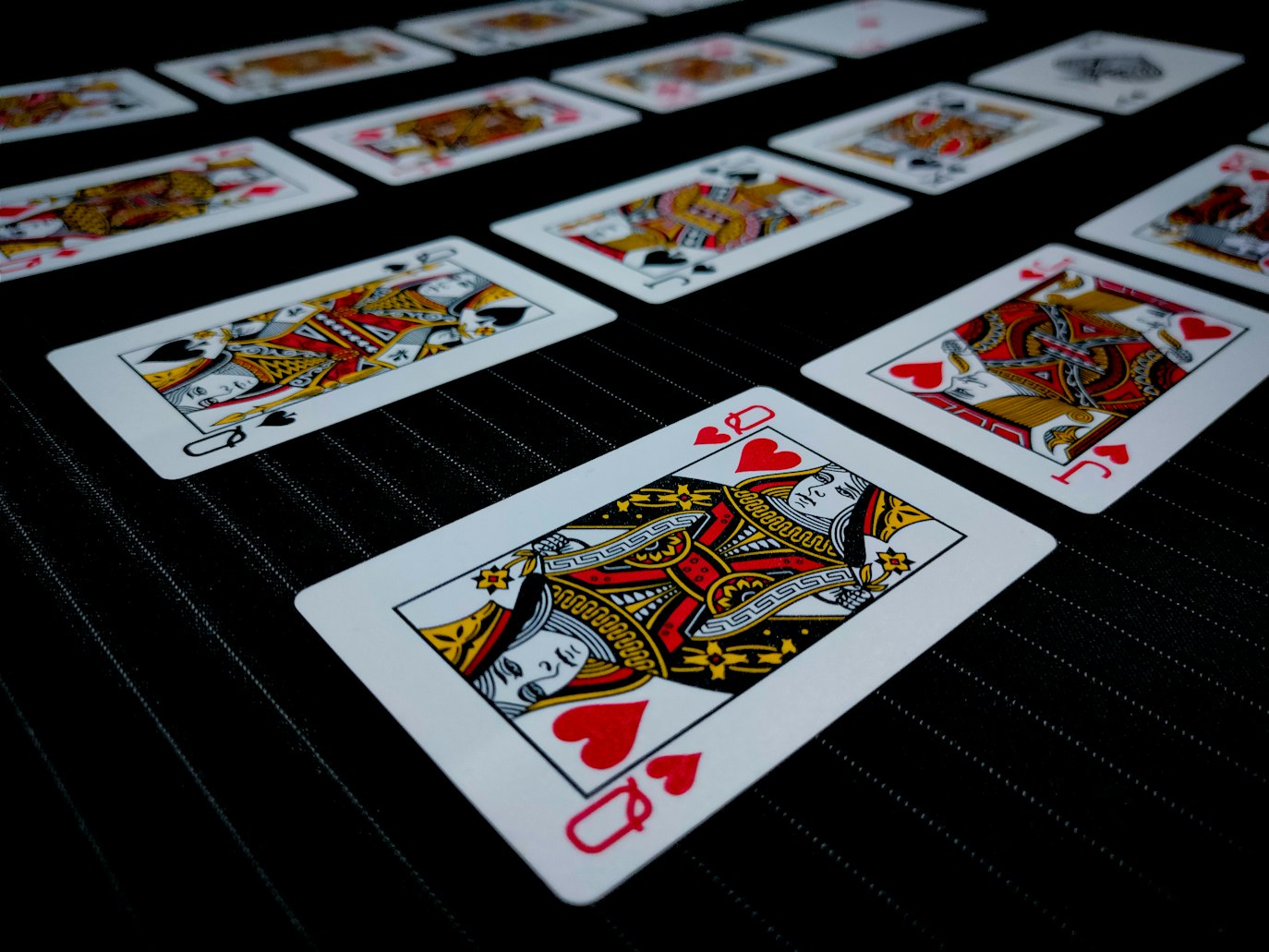
Another critical aspect of casino game design is the reinforcement of player behavior through reward systems. Casinos utilize various techniques to encourage players to continue gambling, including bonuses, free spins, and loyalty programs. These incentives capitalize on the psychological principle of intermittent reinforcement, where rewards are given at unpredictable intervals, enhancing player engagement. This unpredictability creates a sense of excitement and urgency, urging players to keep spinning, betting, or playing in hopes of a big payout.
The Role of Psychology in Risk-Taking
The thrill associated with risk-taking is central to casino gaming. Designers know that players often gravitate toward games that offer a sense of risk and uncertainty. This tension between potential gains and the threat of loss creates an adrenaline rush that, for many, enhances the enjoyment of the game. Games like blackjack and roulette are crafted to highlight this gamble; the stakes involved keep players on edge, yearning for that big win while fully aware of the risks.

The psychology here is profound—players are more likely to continue betting even when they experience losses, drawn by the hope of recovery or hitting a significant win. This phenomenon showcases the importance of emotional investment in player behavior. In essence, understanding this can provide insight into designing games that not only captivate new players but retain existing ones by fostering a compelling narrative of risk and reward.
Player cognition significantly influences engagement with casino games. Designers employ strategies that appeal to cognitive biases and heuristics, such as the illusion of control, where players believe they can influence outcomes despite the inherent randomness of games. Slot machines, for example, are often designed to give players a sense of agency, even when the outcomes are purely chance-based. This creates a cognitive dissonance that keeps players invested in the game.
At our platform, we believe in understanding and highlighting responsible gaming practices within the realm of casino gaming. By examining the psychological insights behind game design and player behavior, we aim to create a more informed gaming community. Our focus is not only on entertaining our players but also on promoting awareness about the psychological effects of gambling and emphasizing the importance of responsible gaming.